Design system development
& management
Leveraging the Wolters Kluwer Product Design System, droved cross-platform consistency and accessibility. Aligned the platform with Wolters Kluwer’s branding strategy
3 in 1
Successfully consolidated 3 design systems into 1 unified WK design system in 3 years
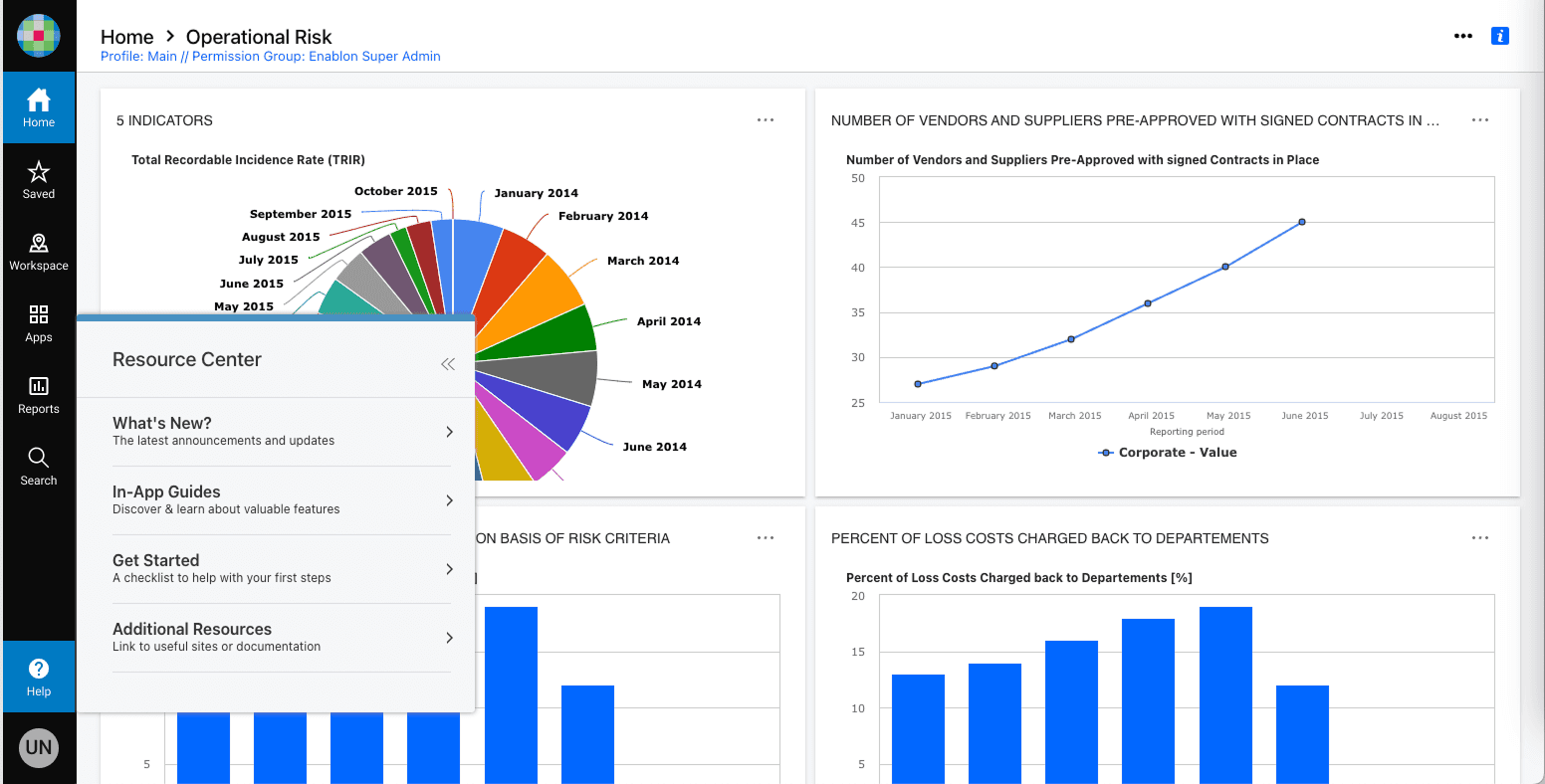
Impacts through design system management
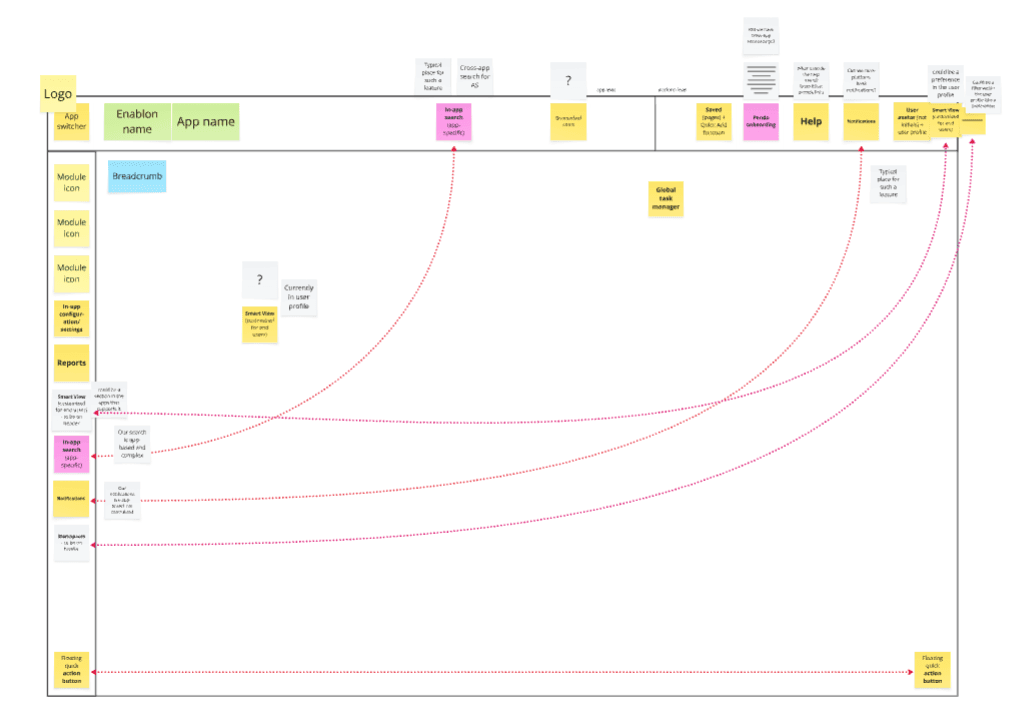
IA & Component Library
Mapped platform-wide architecture, scalable building blocks with variables and component properties
Tokenization
Unified color palettes, type scales, and iconography to strengthen brand cohesion
Accessibility
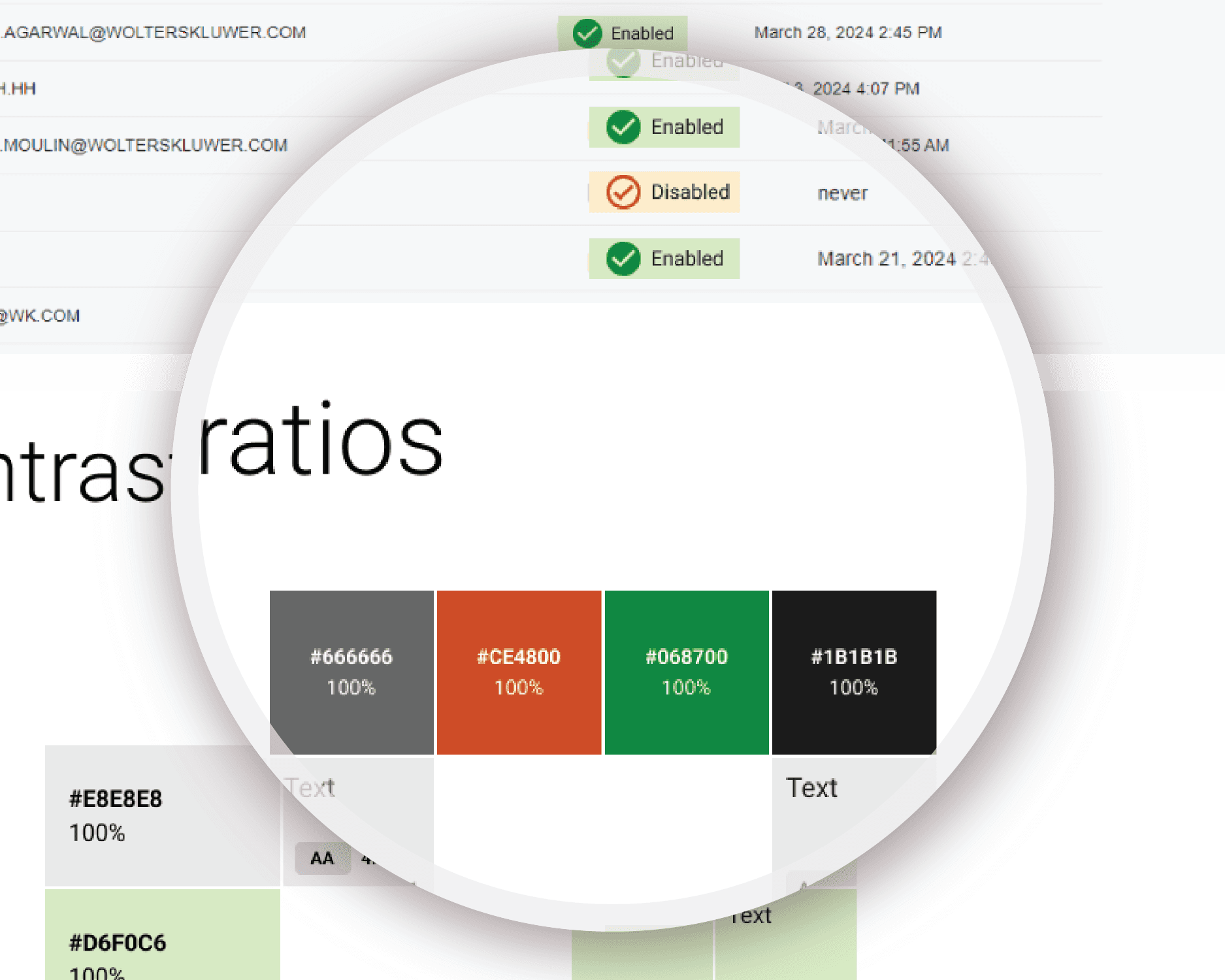
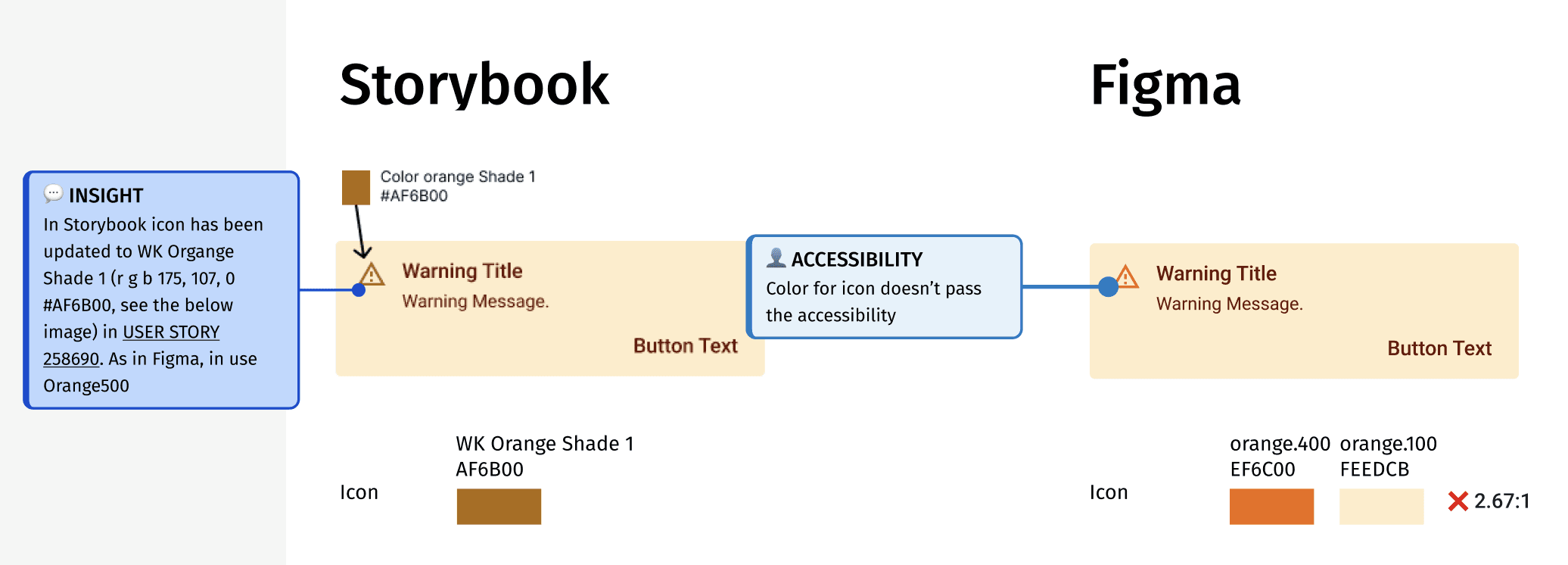
Remediated non-conforming components to meet WCAG 2.2 Level AA standards
Scalability
Established foundational components and patterns that enhance consistency, scalability, and design efficiency

Tools:
Figma, Zero Height,
Storybook, Frontify
Focus:
Tokenized, scalable design systems
WCAG 2.2 accessibility
Corporate branding strategy
Component-based design

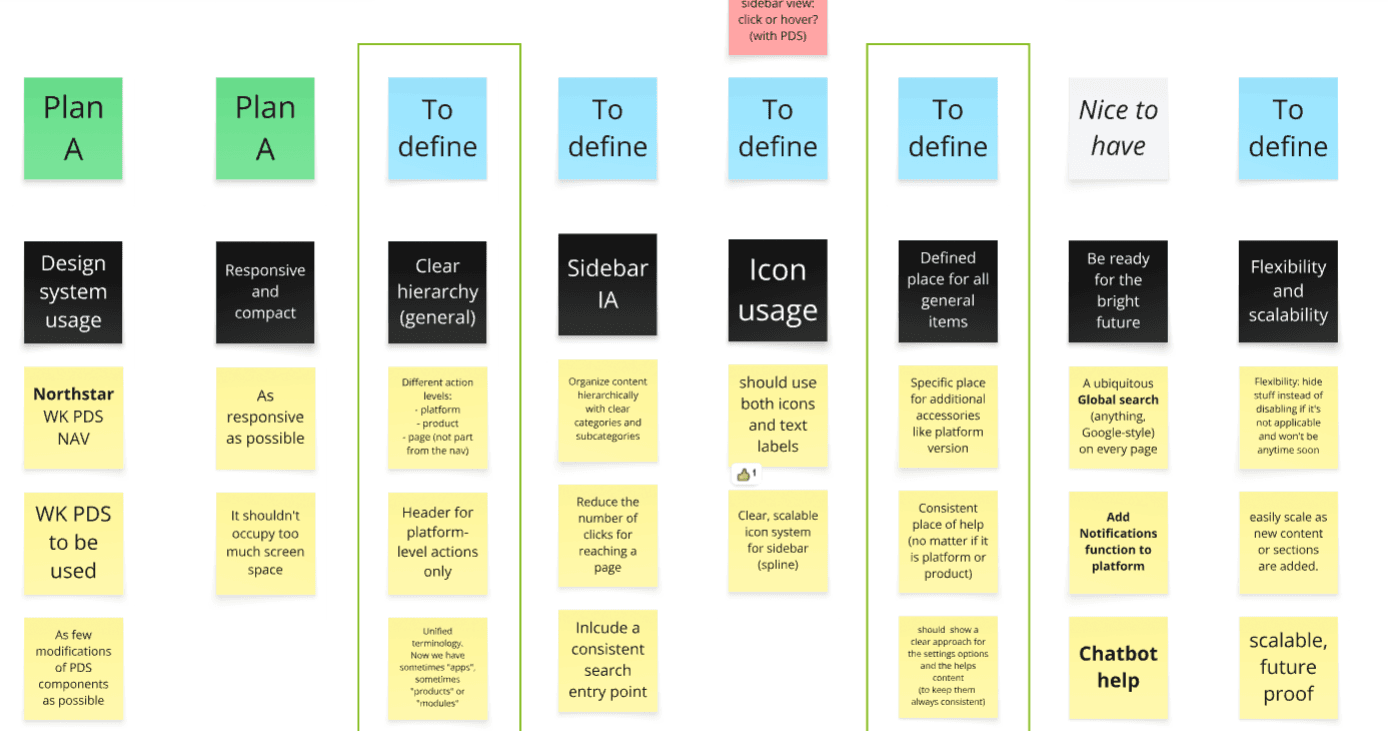
Challenges
The legacy design systems that created significant user friction in
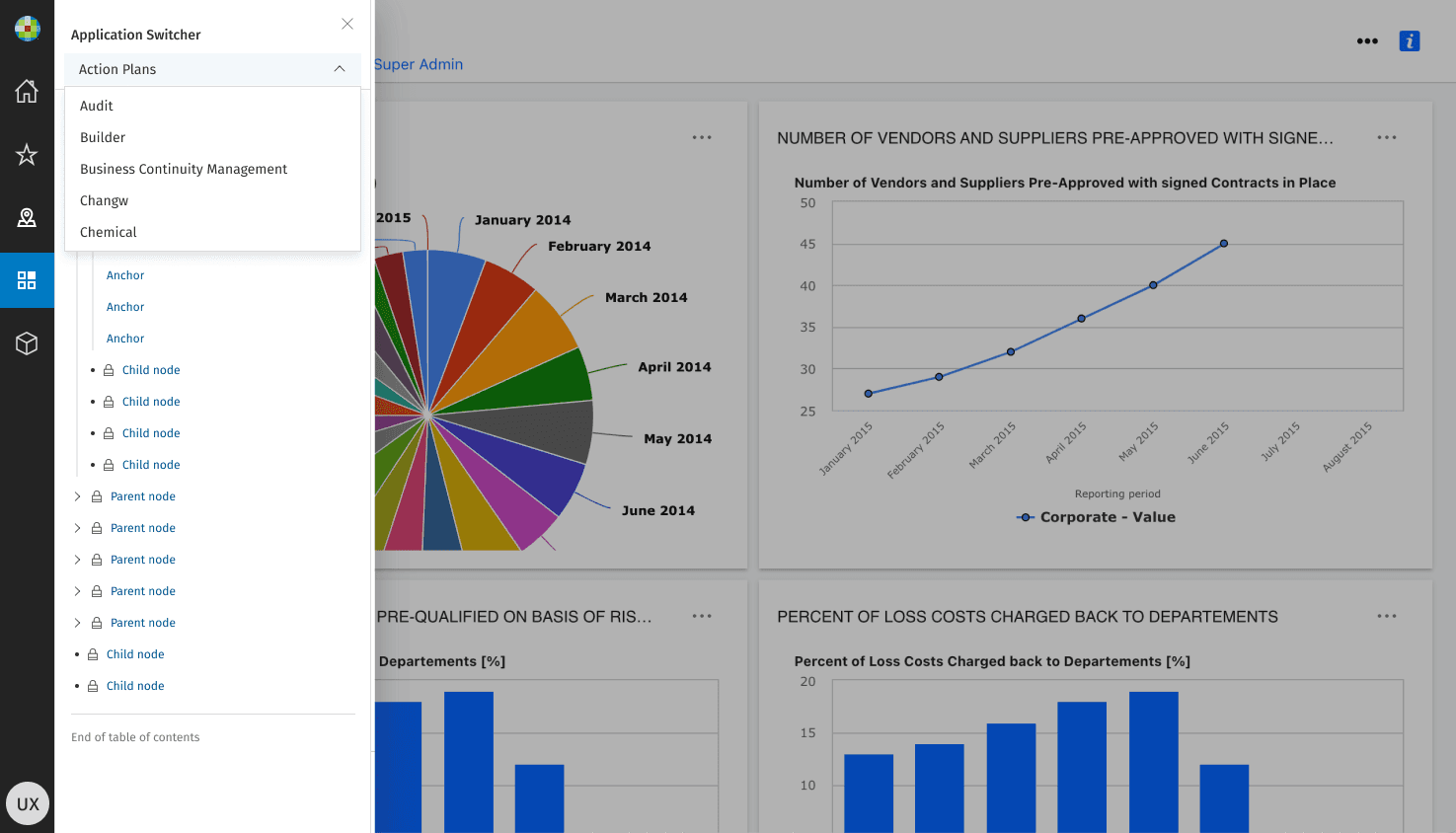
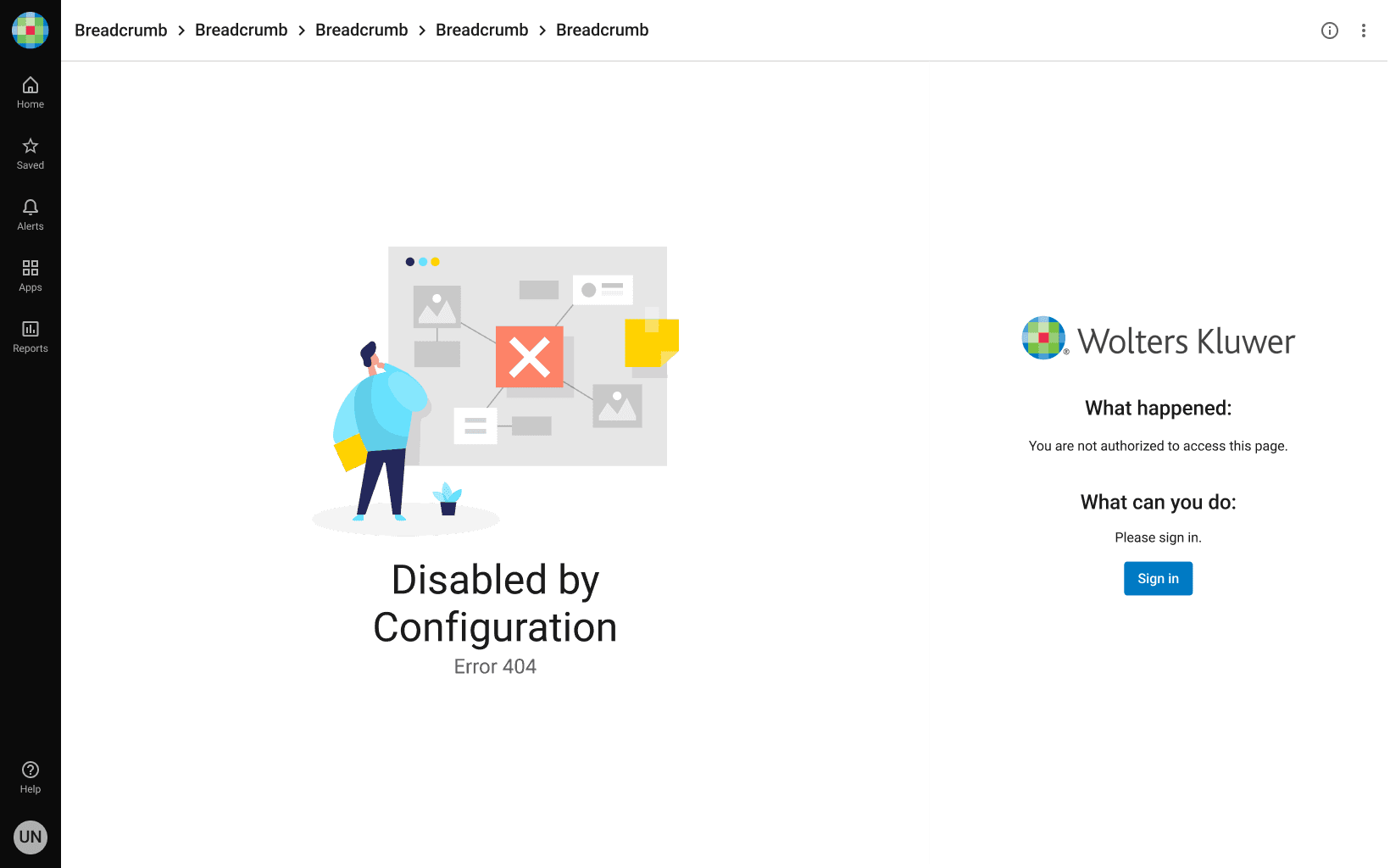
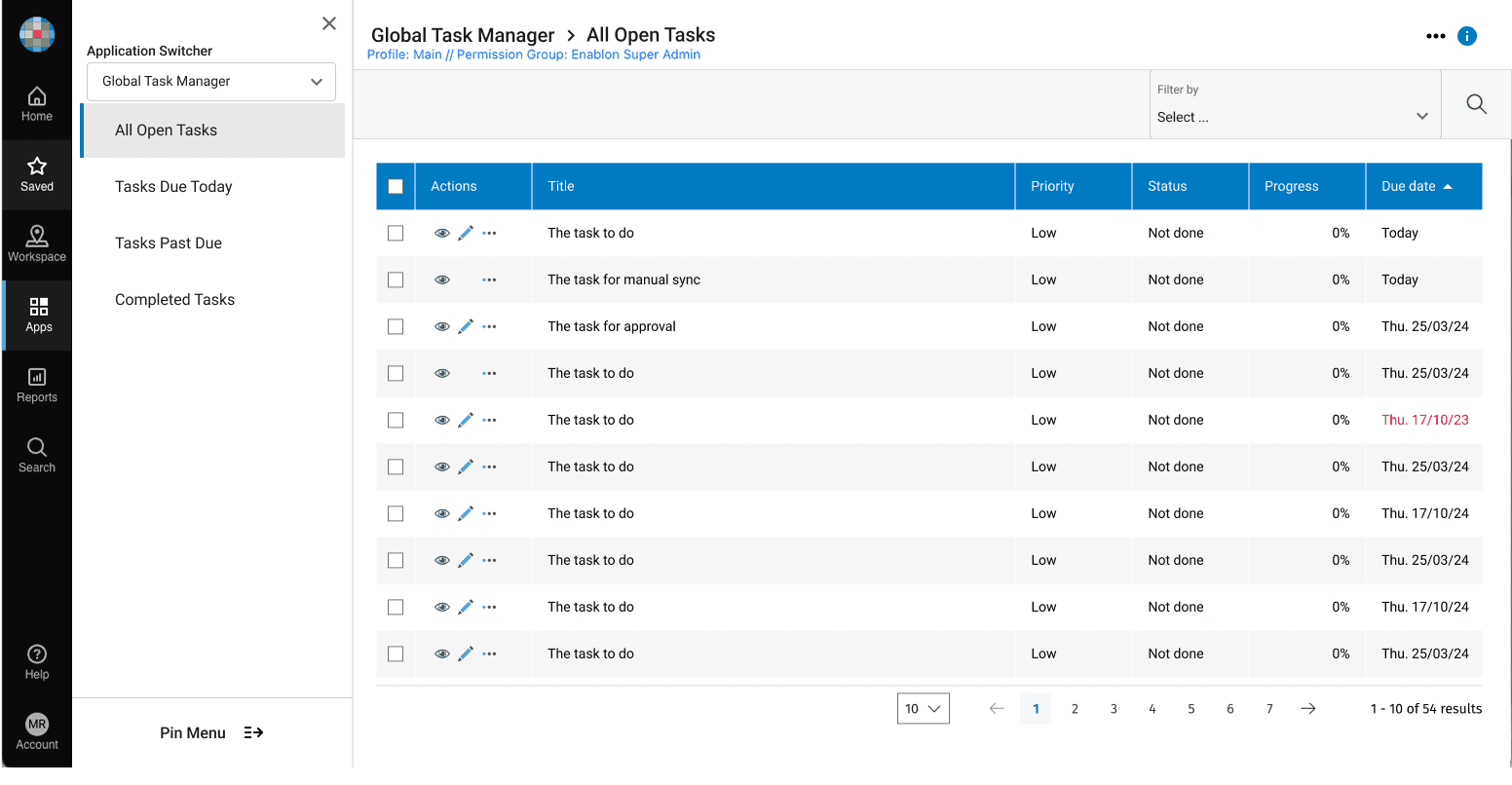
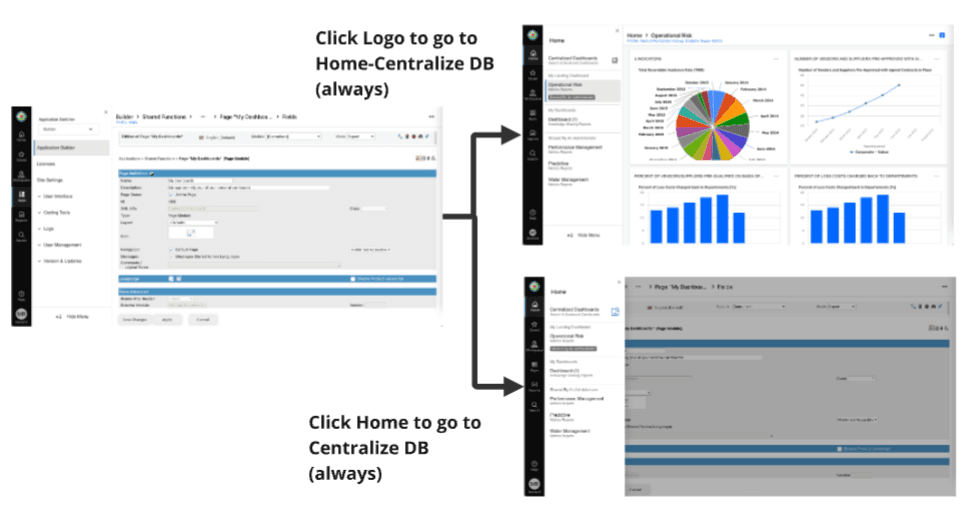
Navigational Debt: in breadcrumbs, universal search, and exhausting sidebar menus .
Identity Fragmentations: transition into a full branding experience.

My Contributions
Restructuring Information Architecture
I mapped the platform’s IA to identify systemic failures.
I translated these insights into redesigned components,
Utilizing design tokens and variables to ensure the system remains scalable as the platform evolves.
Cross-Functional Execution
Documentation: Managed a "single source of truth" via Zero Height to keep design, dev teams aligned.
Storybook Partnership: Collaborated with front-end developers, ensuring production code matched design intent.
Brand Integration: Strategically transform the product into a core brand pillar.
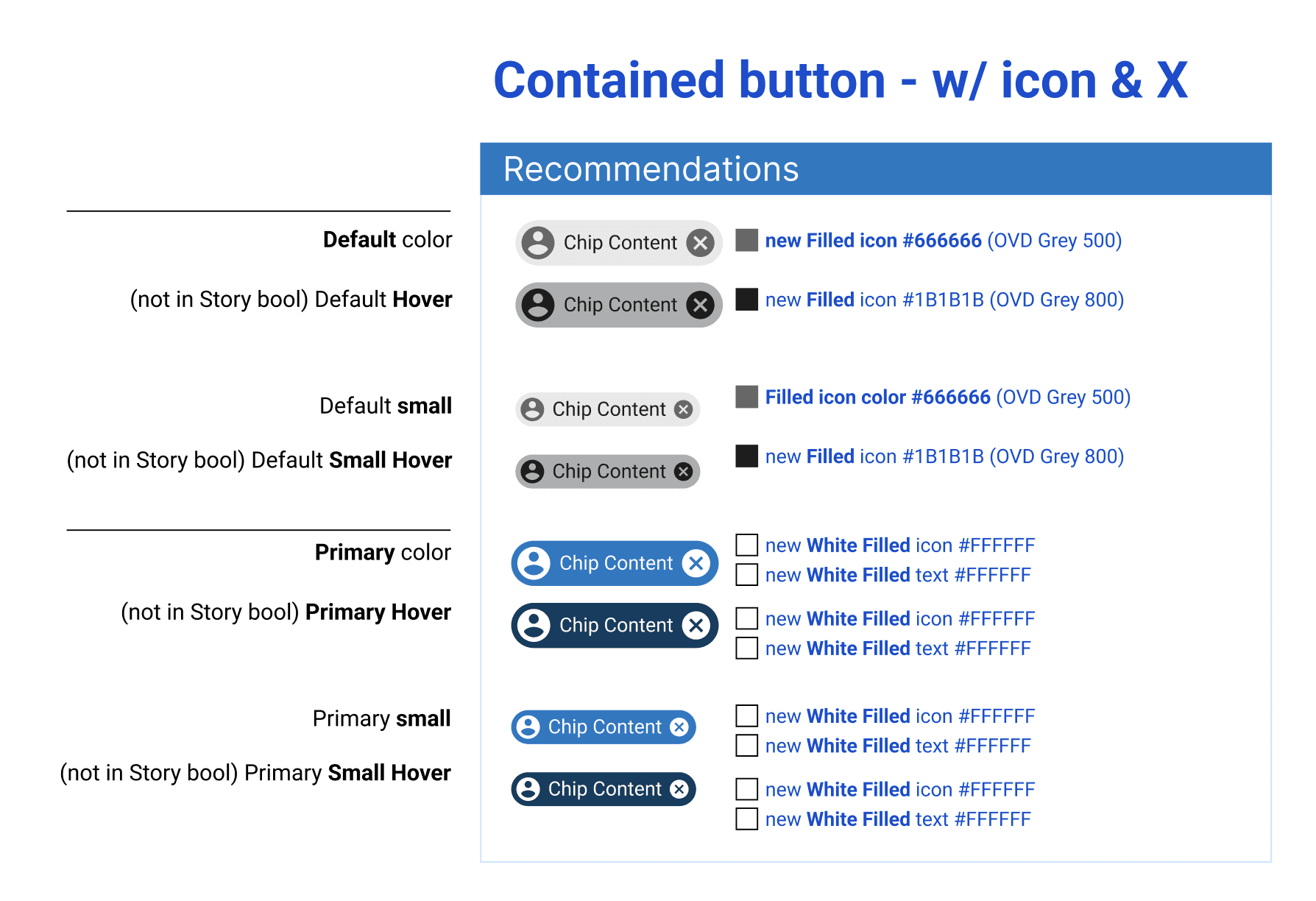
Accessibility: audited components against WCAG 2.2, remediating issues in color contrasts, target sizes, typography, and button labels.
Impact
The transition to the WK Product Design System fundamentally modernized the user experience:
Unified Experience: one cohesive visual and interaction language.
Accessible Foundation: a WCAG 2.2-compliant library
Reduced Design Debt: Streamlined design-to-dev handovers and eliminated inconsistencies