Design system development
& management
Leveraging the Wolters Kluwer Product Design System, droved cross-platform consistency and accessibility. Aligned the platform with Wolters Kluwer’s branding strategy
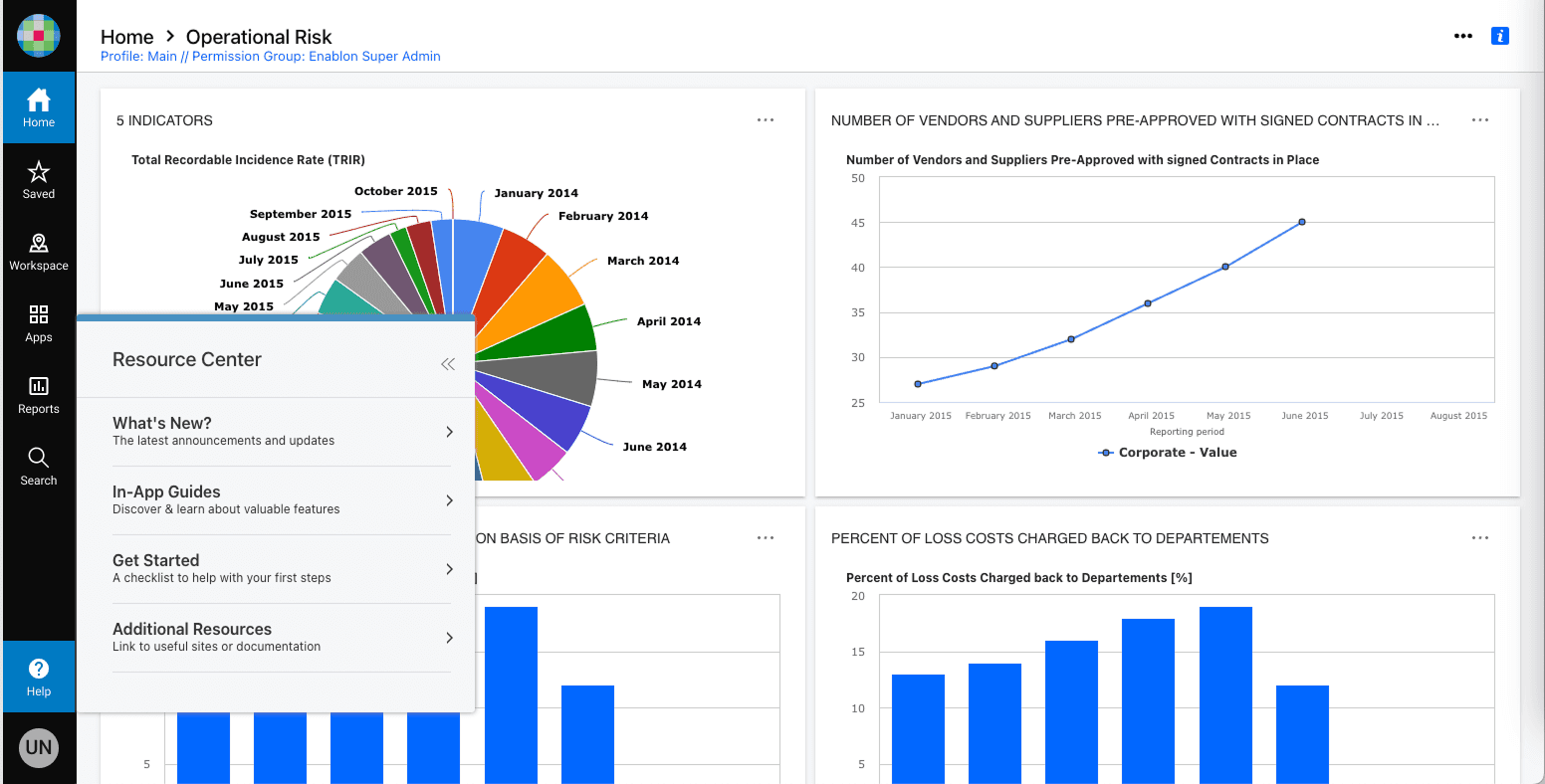
As part of the Design System team, I established foundational components and patterns that enhance consistency, scalability, and design efficiency across our platform:
IA & Component Library: Mapped platform-wide architecture and built documented, scalable building blocks.
Standardization: Unified color palettes, type scales, and iconography to strengthen brand cohesion.
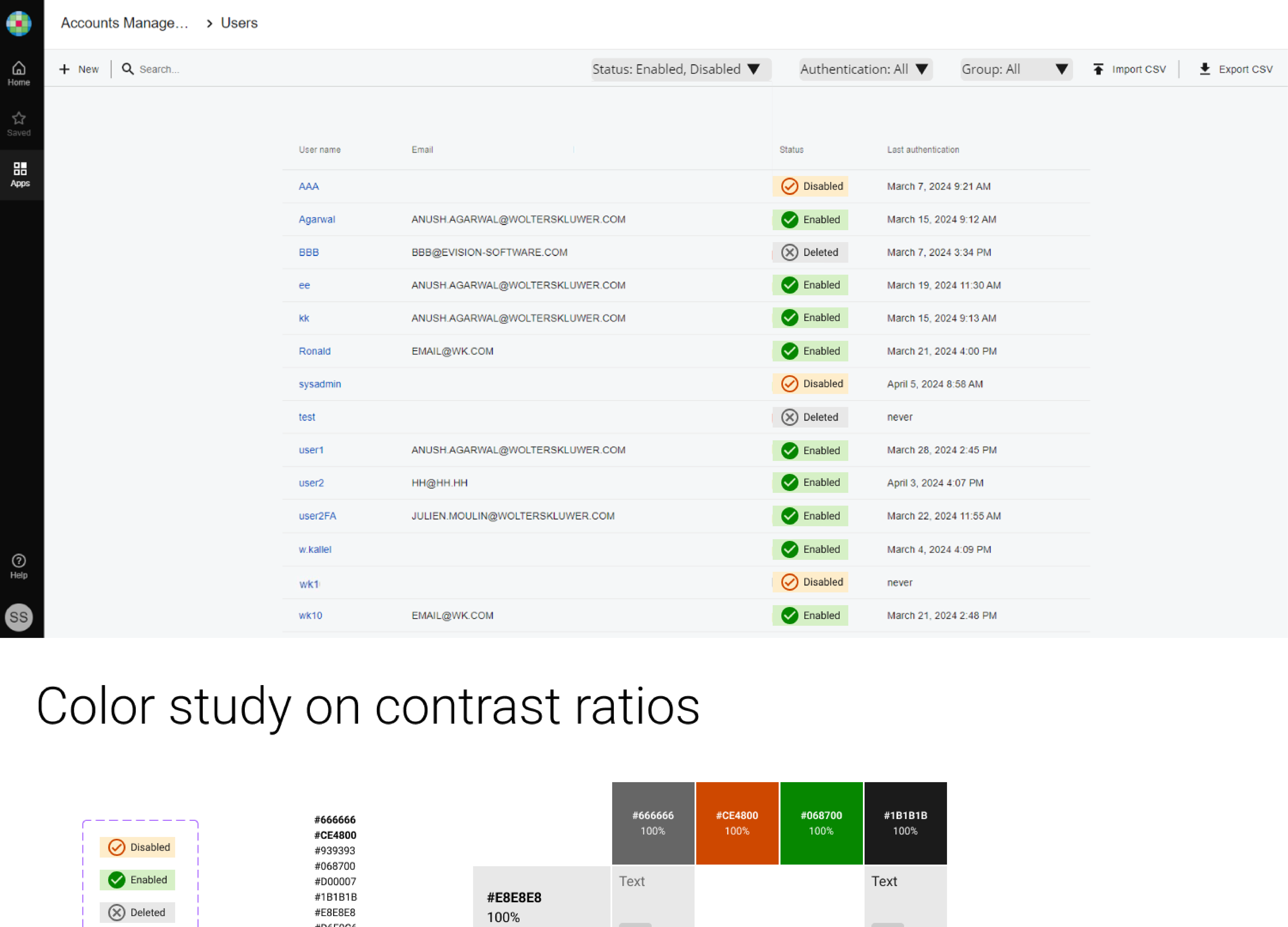
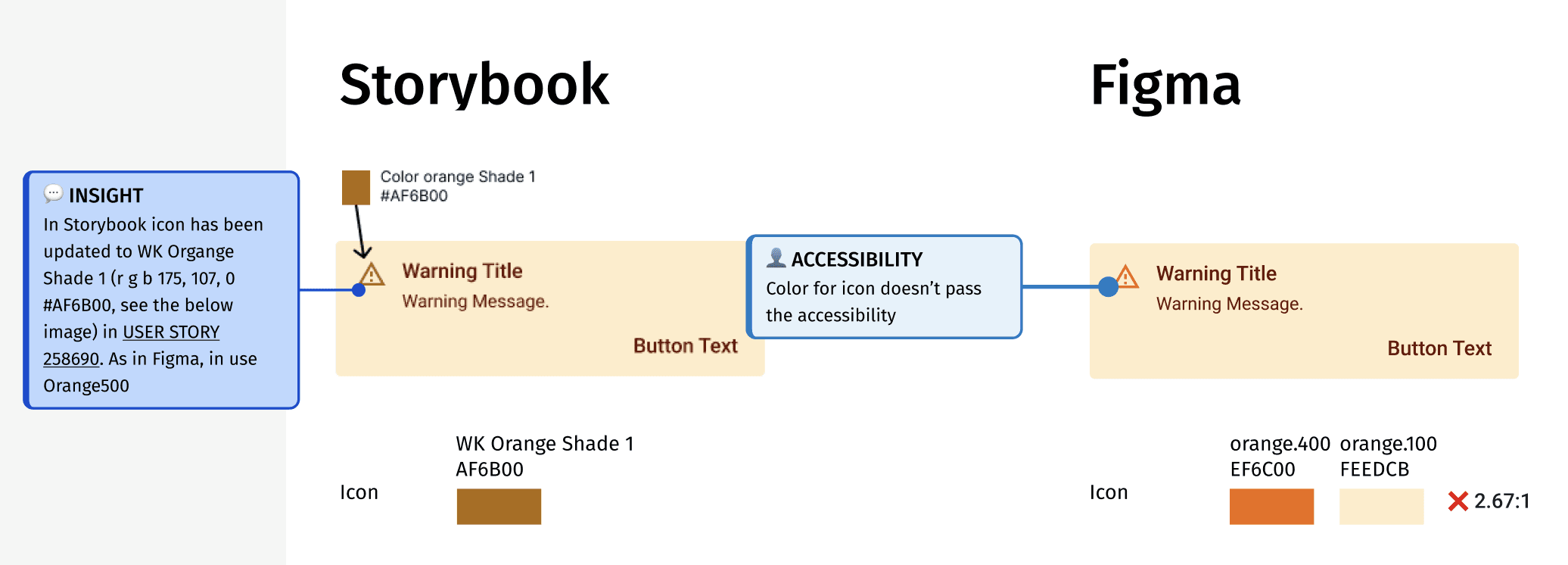
Accessibility: Remediated non-conforming components to meet WCAG 2.2 Level AA standards.
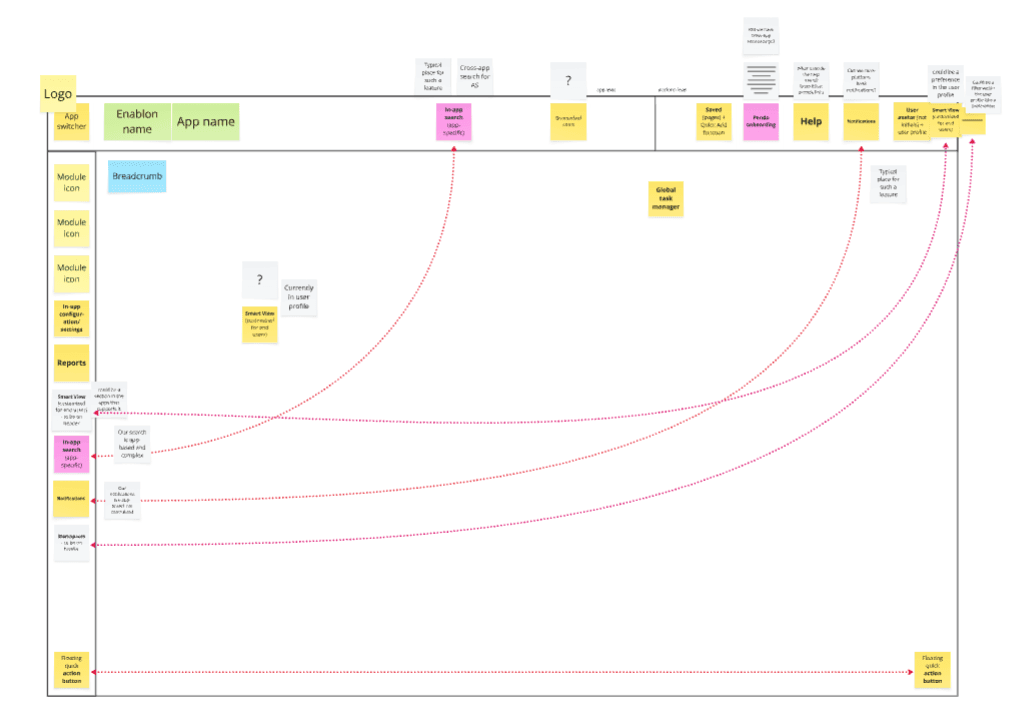
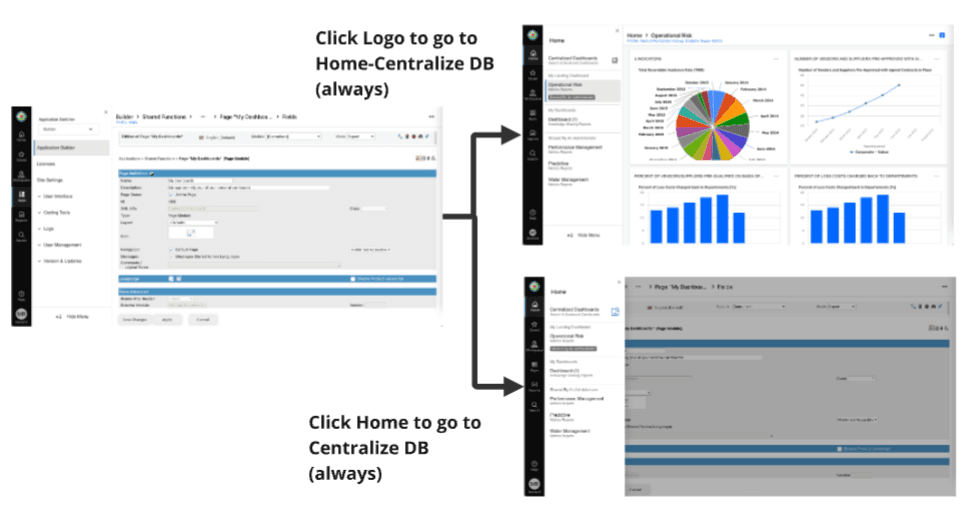
Enablon Global Navigation revamp project - wireframe
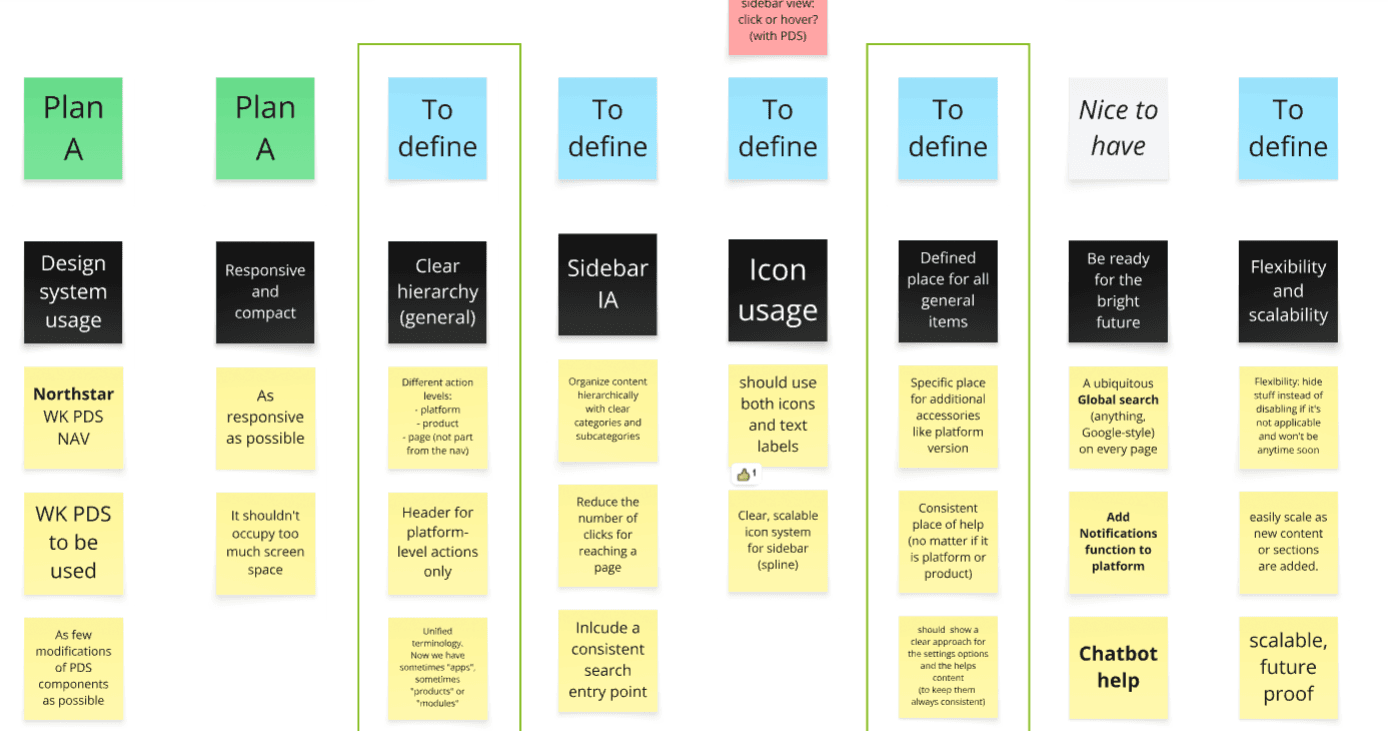
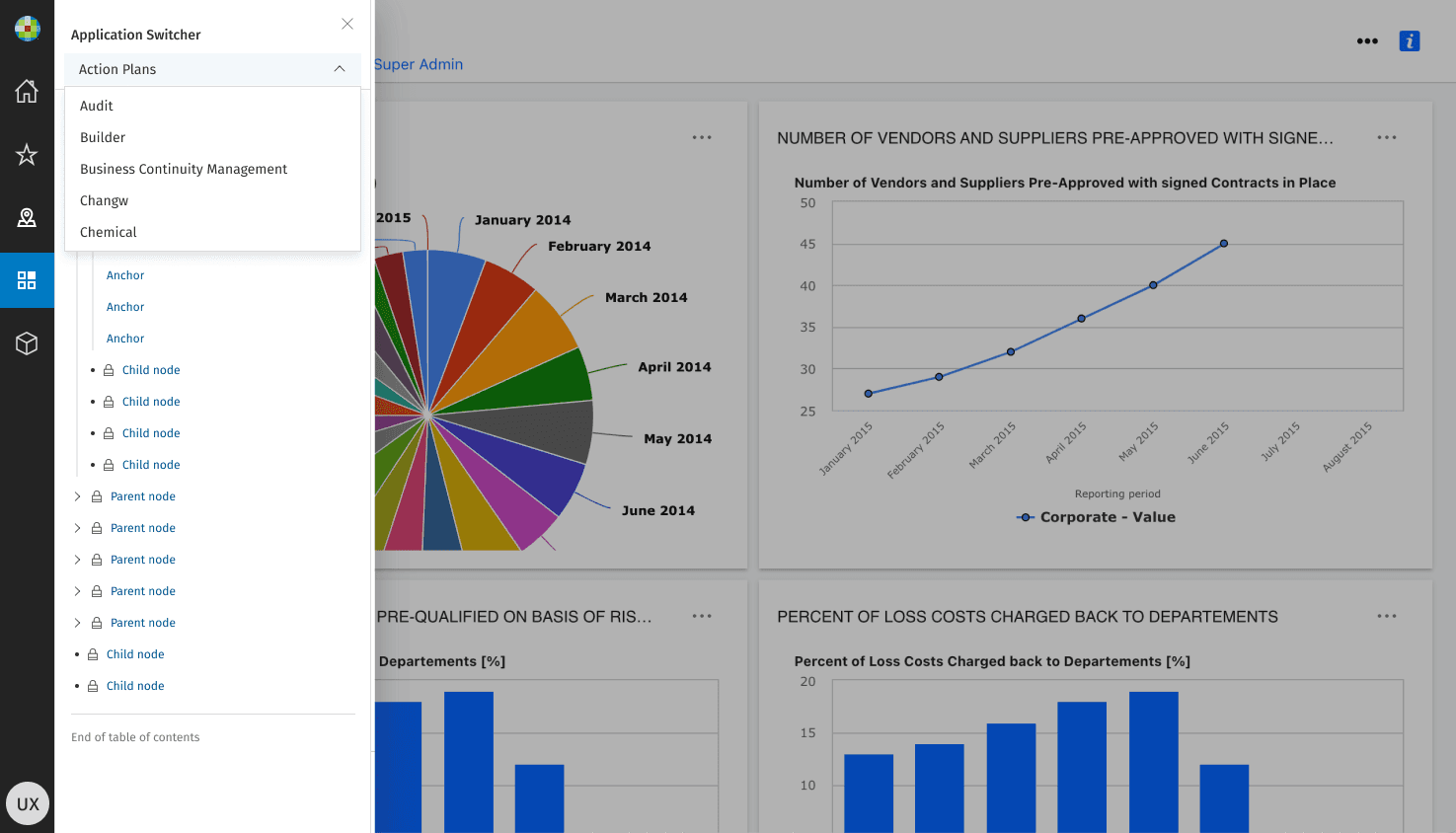
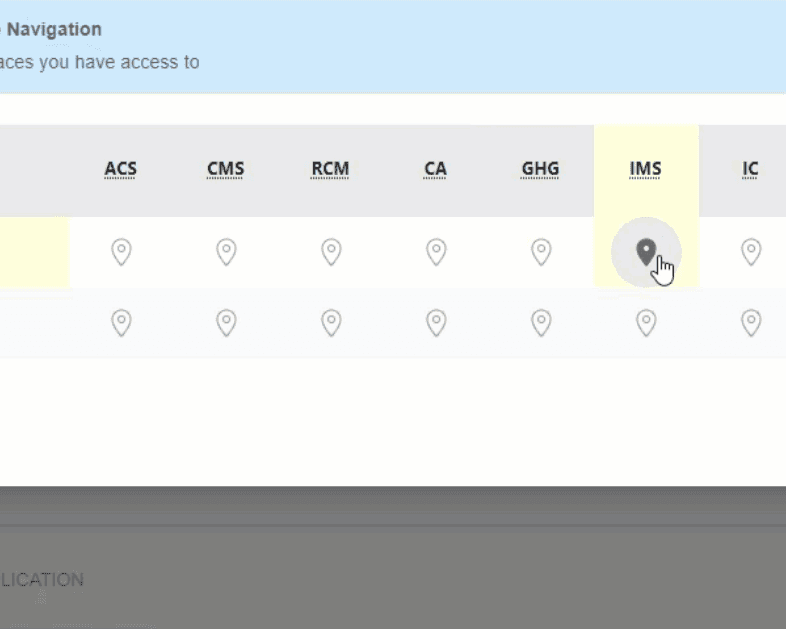
Enablon Global Navigation revamp - mapping ideas
Tools:
Figma, Zero Height,
Storybook, Frontify
Focus:
Design systems,
WCAG 2.2 accessibility,
corporate branding strategy,
component-based design
Challenges
Following the acquisition of Enablon, the platform struggled with a legacy design system that created significant user friction.
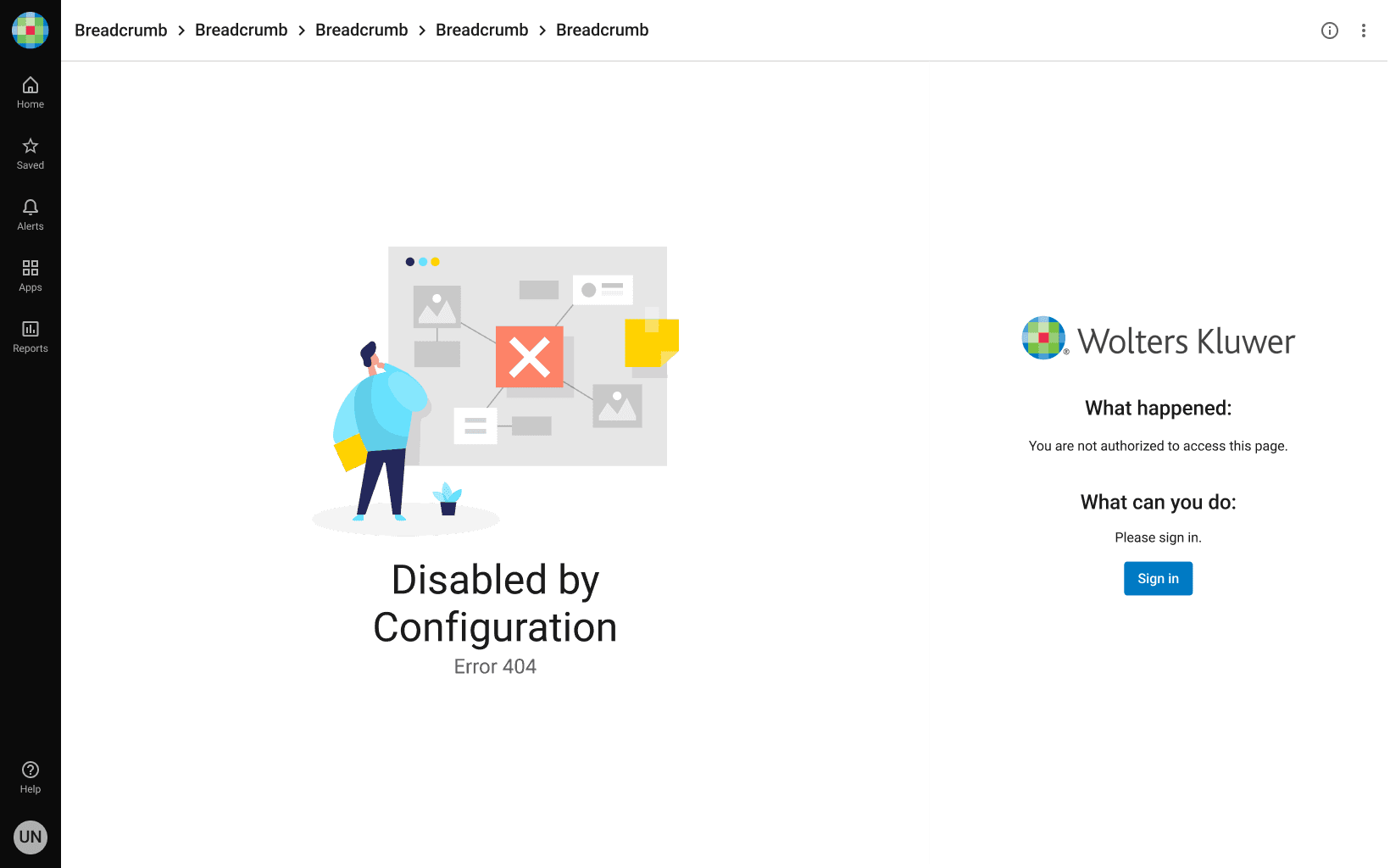
Navigational Debt: Illogical breadcrumbs, lack of universal search, and exhausting sidebar menus forced users through excessive "drilling" to reach destinations.
Identity Fragmentations: The platform needed to transition from an independent Enablon identity into a fully integrated Wolters Kluwer experience.
My Contributions
Restructuring Information Architecture
I mapped the platform’s IA using Figma and Miro to identify systemic failures. I translated these insights into redesigned components, utilizing design tokens and variables to ensure the system remains scalable as the platform evolves.
Cross-Functional Execution
Documentation: Managed a "single source of truth" via Zero Height to keep design, dev, and product teams aligned.
Storybook Partnership: Collaborated with front-end developers to define interaction behaviors in Storybook, ensuring production code matched design intent.
Brand Integration: Strategically deployed WK logos and visual elements to transform the product from an acquired entity into a core brand pillar.
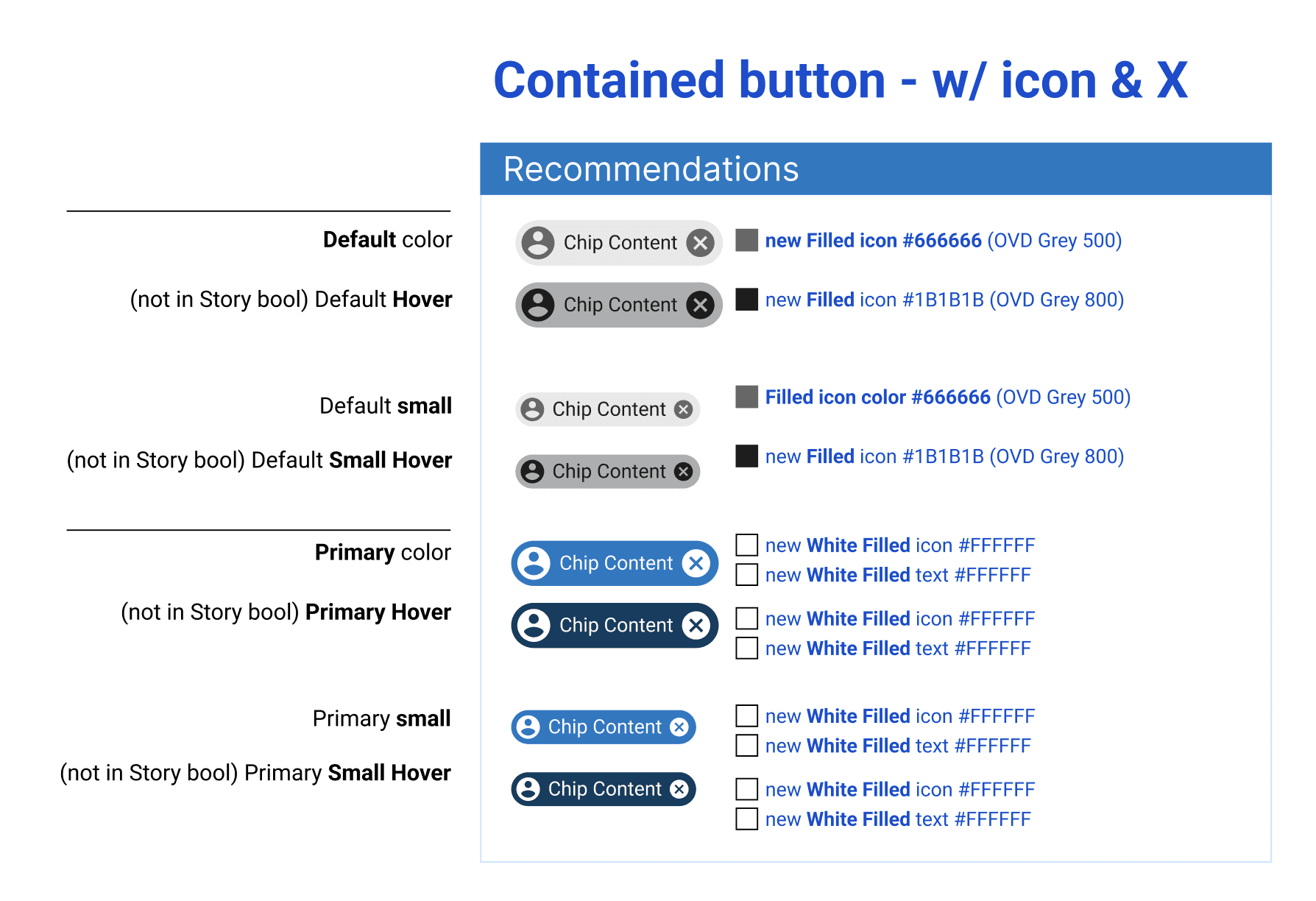
Accessibility: I audited existing components against WCAG 2.2 success criteria, remediating issues in color contrasts, typography, and button labels.
Impact
The transition to the WK Product Design System fundamentally modernized the user experience:
Unified Experience: Consolidated multiple legacy systems into one cohesive visual and interaction language.
Accessible Foundation: Established a WCAG 2.2-compliant library that ensures end-to-end inclusivity.
Reduced Design Debt: Streamlined design-to-dev handovers and eliminated inconsistencies, creating a workflow that scales with platform growth.